

Tronc schemes have been running quietly behind the bar of British hospitality for the best part of a century. Most people who’ve worked a shift in a restaurant, pub or hotel have heard the word. Far fewer could tell you where it came from, why it exists or what’s about to change.
If tips, service charges or gratuities land on your tables, here’s the short history and what it means for you now.
Where the word comes from
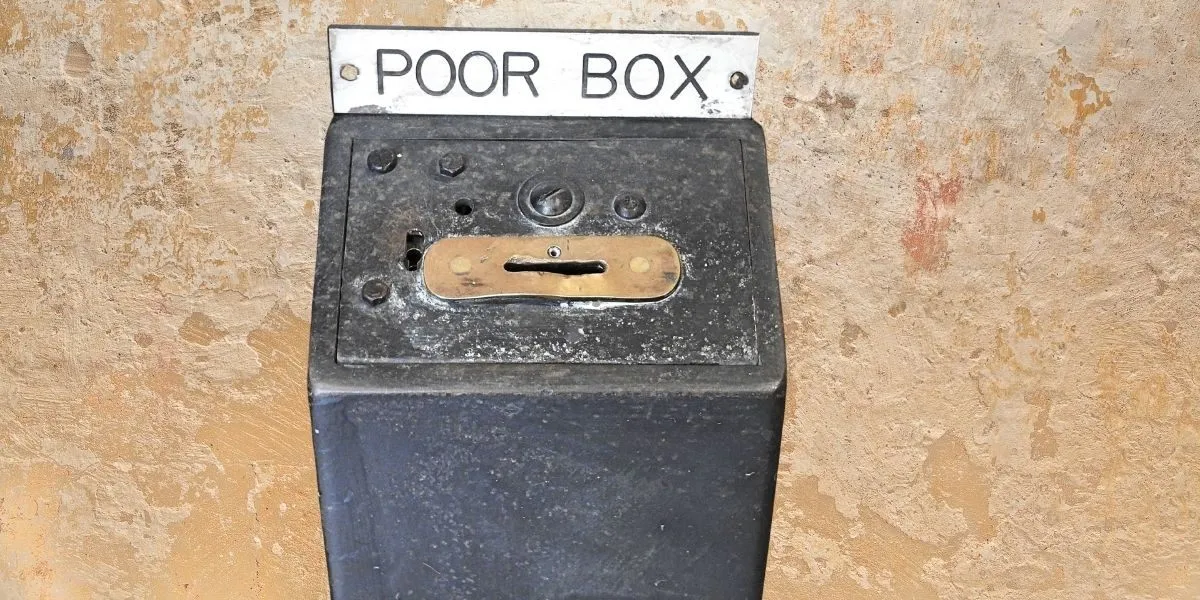
“Tronc” is French. It comes from tronc des pauvres, the poor box: the collection box you’d find in a church for charitable donations.
Hospitality borrowed the idea as the tronc des employés, the staff box. Tips went into one shared pot and were split across the team, instead of each server keeping whatever their own tables left.
That idea has barely changed in 100 years. The tax and legal rules wrapped around it have changed a lot.
Why troncs exist
A tronc is a way of collecting tips, gratuities and service charges and sharing them out among staff. What matters is who’s in charge. It’s run by a Troncmaster, someone other than the employer, and that person decides how the pot is split.
That independence is the whole reason troncs exist as a separate structure. When a troncmaster really controls the allocation, HMRC doesn’t charge employer or employee National Insurance on the payments. Income tax is still due, but the NI saving is real money on both sides of the payslip.
For decades, troncs stayed small and cash-based. A jar, some envelopes and a split at the end of the night. Then two things pushed them into the spotlight.
Cash disappeared, and so did the informal split
Customers moved to card and contactless. Tips stopped arriving as coins in a jar and started turning up as figures in the business bank account, mixed in with everything else. Someone now had to formally collect, record and pay out money that used to sort itself out over a shift.
At the same time, years of patchy practice had built pressure for change. Some employers took a cut. Some held tips back to cover costs. Some kept the lot. The government decided fair tipping needed a legal floor.
2024, the year fair tipping became law
The Employment (Allocation of Tips) Act 2023 came into force on 1 October 2024, alongside a statutory Code of Practice on fair and transparent distribution of tips. Fair tipping became a legal duty, and workers who don’t get it can go to an Employment Tribunal. (For a look at how it’s bedded in, read the Allocation of Tips Act two years on.)
Here’s what the Act asks of you.
- Pass tips on in full. Tax is the only deduction allowed. Card fees, admin costs, breakages and till shortages can’t come out of the pot. If you use a third-party tronc provider, you pay for it yourself.
- Share them fairly. You can weight shares by role, seniority, hours or how customer-facing someone is. A kitchen porter and a head waiter can get different amounts, as long as the method is fair and used consistently. Here’s how a tribunal would assess whether your policy is fair.
- Include everyone eligible. That covers zero-hours and agency workers as well as permanent staff.
- Pay promptly. Tips must be paid by the end of the month after the month the customer left them.
- Put it in writing. If tips are a regular part of your business, you need a written tipping policy that staff can see. You also need records of the tips you receive and how they’re shared, kept for 3 years.
Get it wrong, and a tribunal can order you to pay what’s owed, plus compensation of up to £5,000 per worker. Claims are already reaching tribunals, as these cases involving Harrods and a Mayfair casino show.
Workers now have longer to come after you, too. From 1 October 2026, they get 6 months instead of 3 to bring a claim about your tipping policy or records, for failures on or after that date. Claims about unfair allocation or late payment keep their 12-month limit. We’ve covered the new claim deadline in more detail here.
For most operators, the answer was the same: formalise the tronc. A properly run, independent scheme meets the fairness and transparency rules. It also keeps the NI saving that makes the admin worthwhile.
HMRC is watching who really makes the calls
HMRC’s E24 guidance on tips, gratuities, service charges and troncs is clear about the troncmaster’s role. Your troncmaster needs to be registered with HMRC, and they’re personally responsible for running PAYE on the tronc correctly.
HMRC will also look hard at who really controls the split. A troncmaster in name only, taking instructions from a manager by text, won’t pass. The independence has to be real.
The Employment Rights Act 2025 raises the bar again
Just as businesses had settled into the Tips Act, the Employment Rights Act 2025 arrived. This time the focus is on giving workers a say in how tipping works. (Our mid-2026 check-in covers the wider changes for hospitality.)
A duty to consult
You’ll need to consult staff before you first put a tipping policy in place. That means a recognised trade union or elected worker reps, or the workers themselves if you have neither. You’ll consult again each time you review the policy, and reviews must happen at least every 3 years. You’ll also need to share an anonymised summary of the feedback.
This was due to start in October 2026. In July, the government withdrew its first draft of the updated Code after Unite objected that it didn’t give workers enough control over their tips. A revised draft Code went out to consultation on 19 August and closed on 29 September 2026. It sets out what proper consultation should look like in practice, and the government has committed to bringing the changes in by the end of 2026.
The duty itself is written into the Act, so it’s coming either way. If you’re wondering why the Code changed so soon, we looked at why it needed rewriting before the ink had dried.
The Fair Work Agency
The Fair Work Agency launched in April 2026. It’s a single enforcement body covering rights such as the National Minimum Wage, holiday pay and agency worker protections, and tipping falls within its remit. Enforcement is moving away from waiting for a tribunal claim and towards active checks.
For multi-site operators, the admin adds up fast: written policies, records, audits and now a consultation cycle at every site.
The tightrope between consultation and your NI saving
This is the bit that impacts payroll and finance teams.
The NI exemption depends on your Troncmaster having real, independent control over who gets what. The consultation duty asks you to talk to staff about your tipping policy. That means the broad principles, which tips are covered and which groups of workers benefit.
Keep the conversation at that level. Start consulting on individual allocations, and you risk looking like you’re shaping the split yourself. HMRC can then argue the tronc isn’t independent, and the NI exemption goes.
There’s no official guidance yet on exactly where that line sits. That makes an independent Troncmaster more valuable than ever: someone who takes staff views on principles, then makes the allocation decisions alone.
What this means for you
Over 100 years, and especially the last two, the tronc has come a long way. It started as an informal poor box and became a tax-efficient arrangement. Now it’s a full employment right, with tribunal backing, mandatory consultation and an enforcement agency checking how it’s done.
If your business handles tips at scale:
- A tronc is the most sensible way to stay compliant and protect the NI saving.
- Your written policy, 3 years of records and consultation cycles need to be live and up to date. The Fair Work Agency exists to check.
- Your troncmaster’s independence is your biggest compliance and tax risk. If a manager can change allocations, or consultation drifts into who gets what, the whole arrangement is exposed.
The question HMRC and the tribunals keep asking hasn’t changed since the days of the jar. Is it independent, and is it fair? Get that right, and the NI savings, the compliance and your team’s trust will follow.
Talk to us
Still got questions? Start with the tronc questions hospitality businesses should be asking. If you want an independent Troncmaster to handle the allocation, the PAYE and the paperwork, get in touch, and we’ll talk you through how it works.